01 / DETECT
The host finds it.
The host vessel's sonar, or a survey drone, finds the contact and marks its position. Nordhal does not build this part. The U-1A Legion works with whatever the navy already uses.
Host platform
Low-cost, expendable underwater vehicles that clear sea mines.
It takes hours to lay a minefield and months to clear one. Today each mine is handled one at a time, by vehicles too expensive to lose. The U-1A Legion is built like ammunition: made in numbers, used once, and expected to work every time.
How long the Strait of Hormuz stayed mined in 2026, over just 11 mines.
The damage two cheap mines did to two US warships in 1991, compared with what the mines cost.
Old mines still lying on the floor of the Baltic Sea.
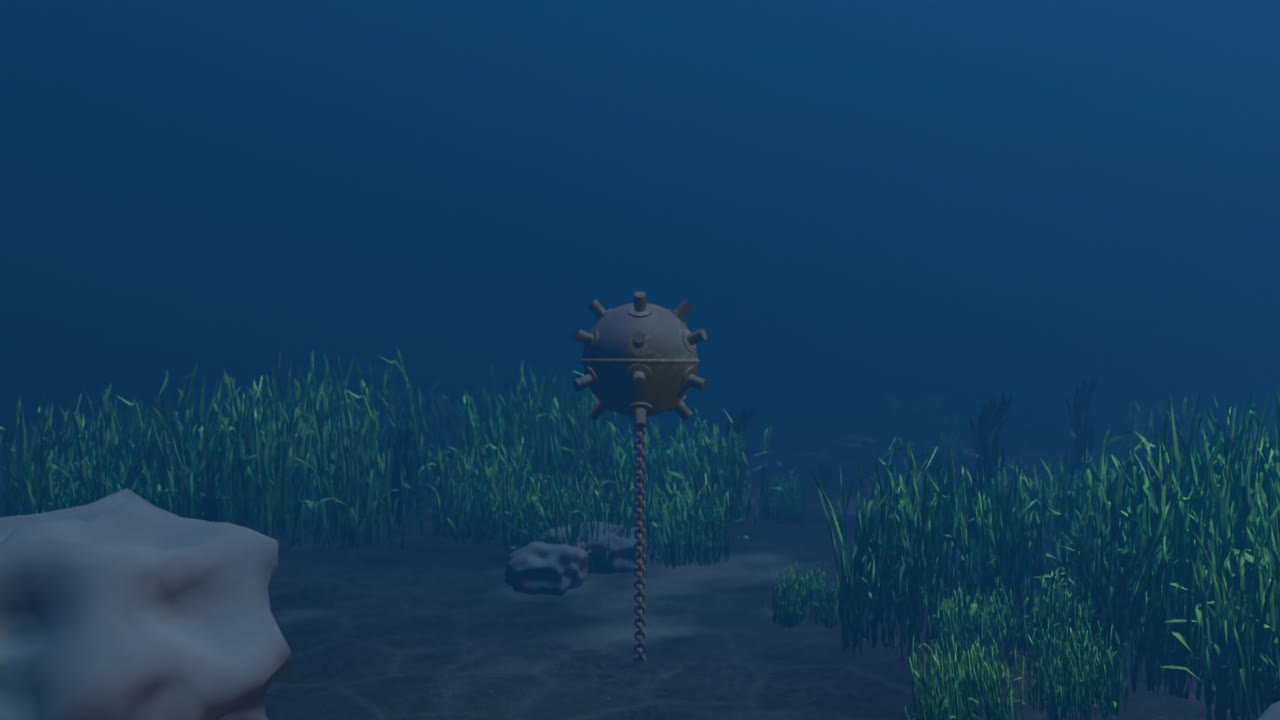
The host vessel finds the mine. The U-1A Legion finishes it. Drone and mine go together, and nobody has to go into the water.
The host vessel's sonar, or a survey drone, finds the contact and marks its position. Nordhal does not build this part. The U-1A Legion works with whatever the navy already uses.
Host platformThe drone goes over the stern of a small boat or an uncrewed surface vessel. No crane, no dedicated mother ship, no dive team.
U-1A LegionA fibre-optic cable pays out behind the drone. It cannot be jammed, it carries live video back to the surface, and it keeps the operator well outside the minefield.
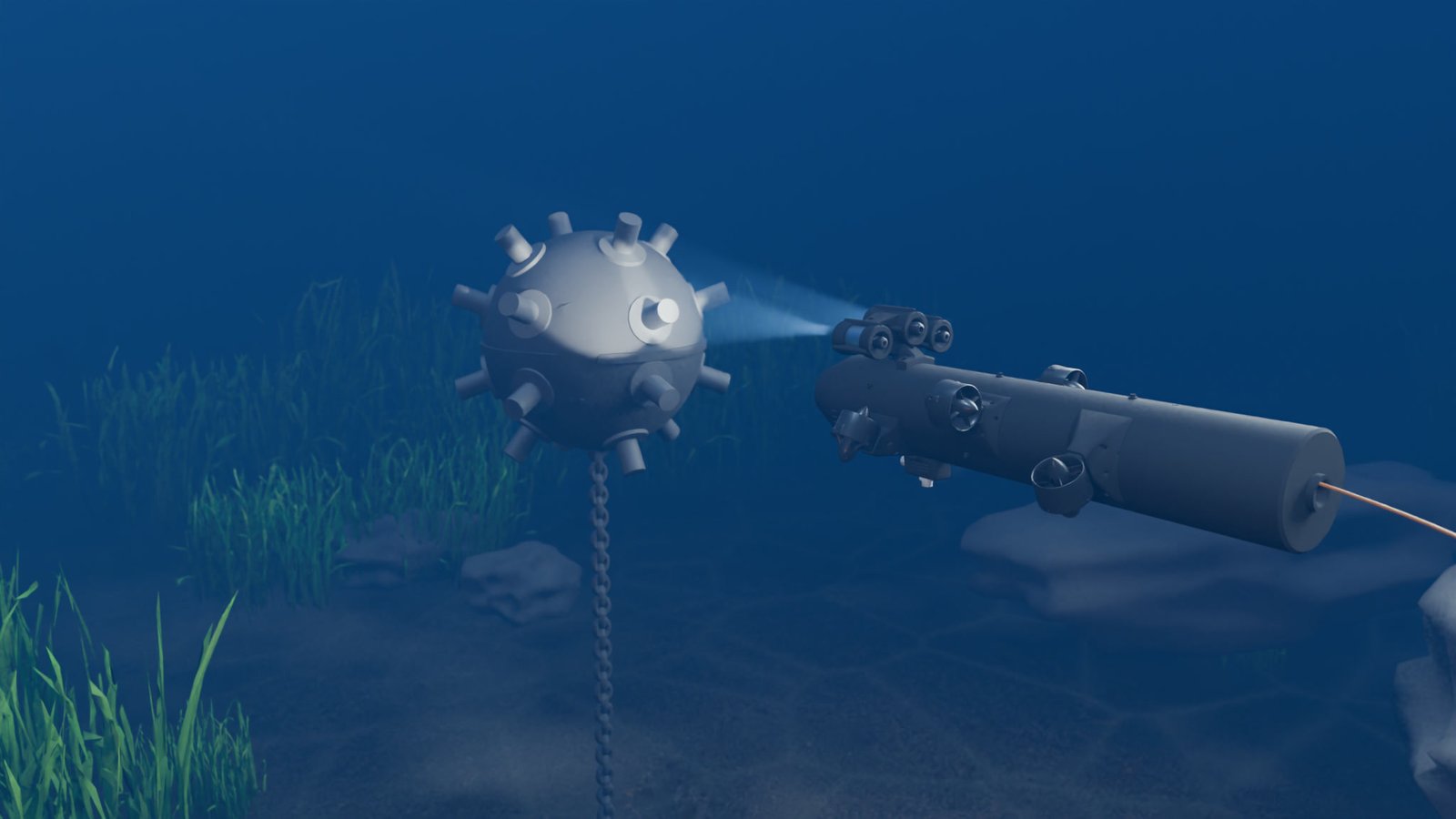
U-1A LegionClose in, sonar relocates the contact and the camera gives the operator a clear picture of it. The operator confirms the target before anything else happens.
Operator + U-1A LegionThe charge fires. Drone and mine are destroyed together. There is nothing to recover and nothing to bring home, so the next drone is already on its way.
U-1A LegionToday a single, expensive vehicle works through a minefield mine by mine, and comes home between each one. If you know where five mines are, you should be able to send five drones at once.
Navies are good at finding mines. The missing layer is a low-cost way to deal with each one once it has been found.
Hull sonar, towed arrays, survey drones and seabed sensors find and track what is down there.
A person on the host vessel reviews the contact and gives the order.
The U-1A Legion closes the last few metres and ends the threat. Low-cost enough to be used in the numbers the job needs.
Europe is getting very good at seeing what happens under the sea. What it does not have yet is a low-cost way to act on it, in numbers.
One drone, a fibre link, a console and a way to launch it. Everything around the drone is kept simple so the drone itself can stay low-cost and mass-producible.
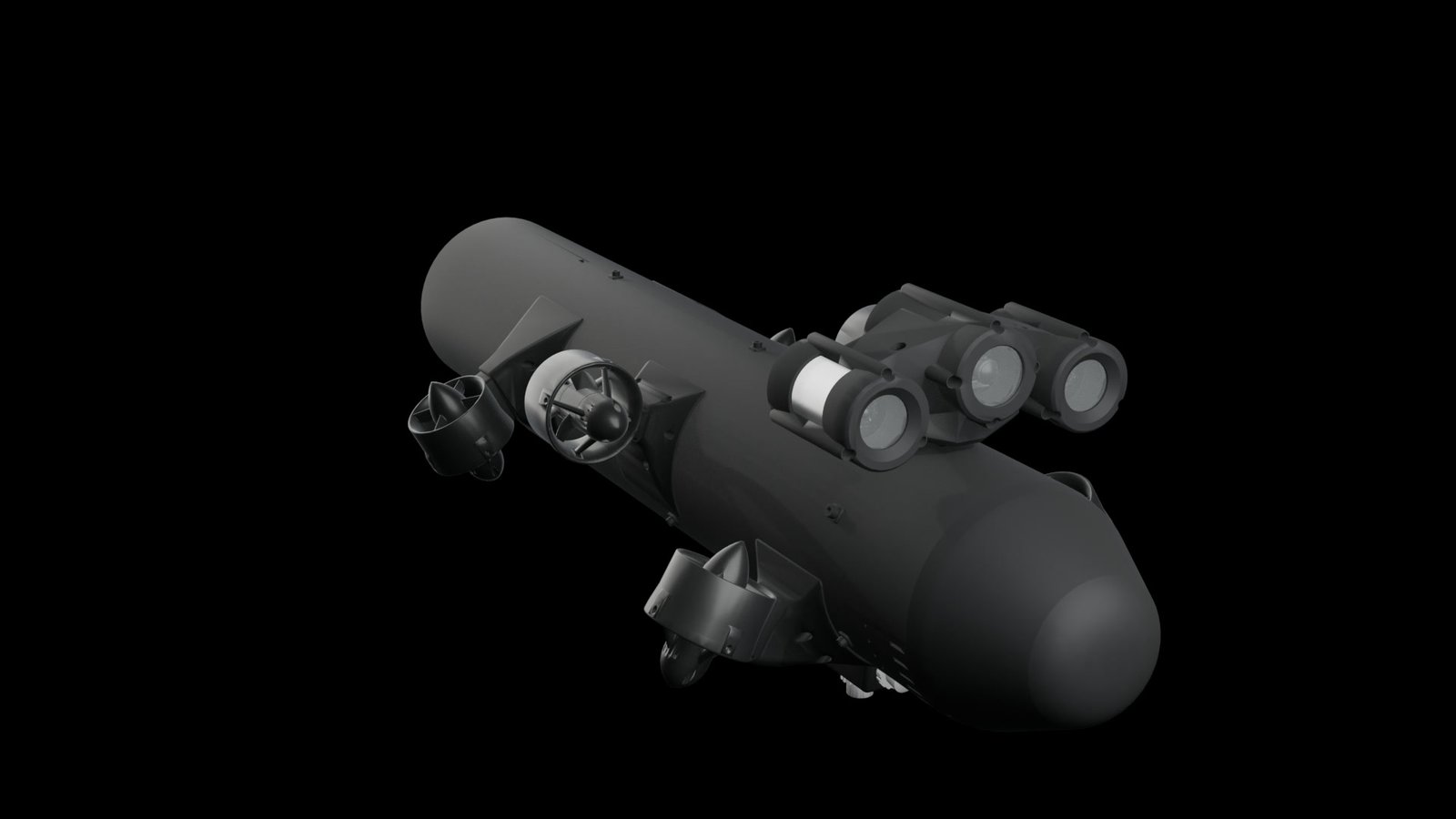 Prototype v1 in the water
Expendable mine neutralisation vehicle. One metre long, 35 kg, rated to 200 m (design targets).
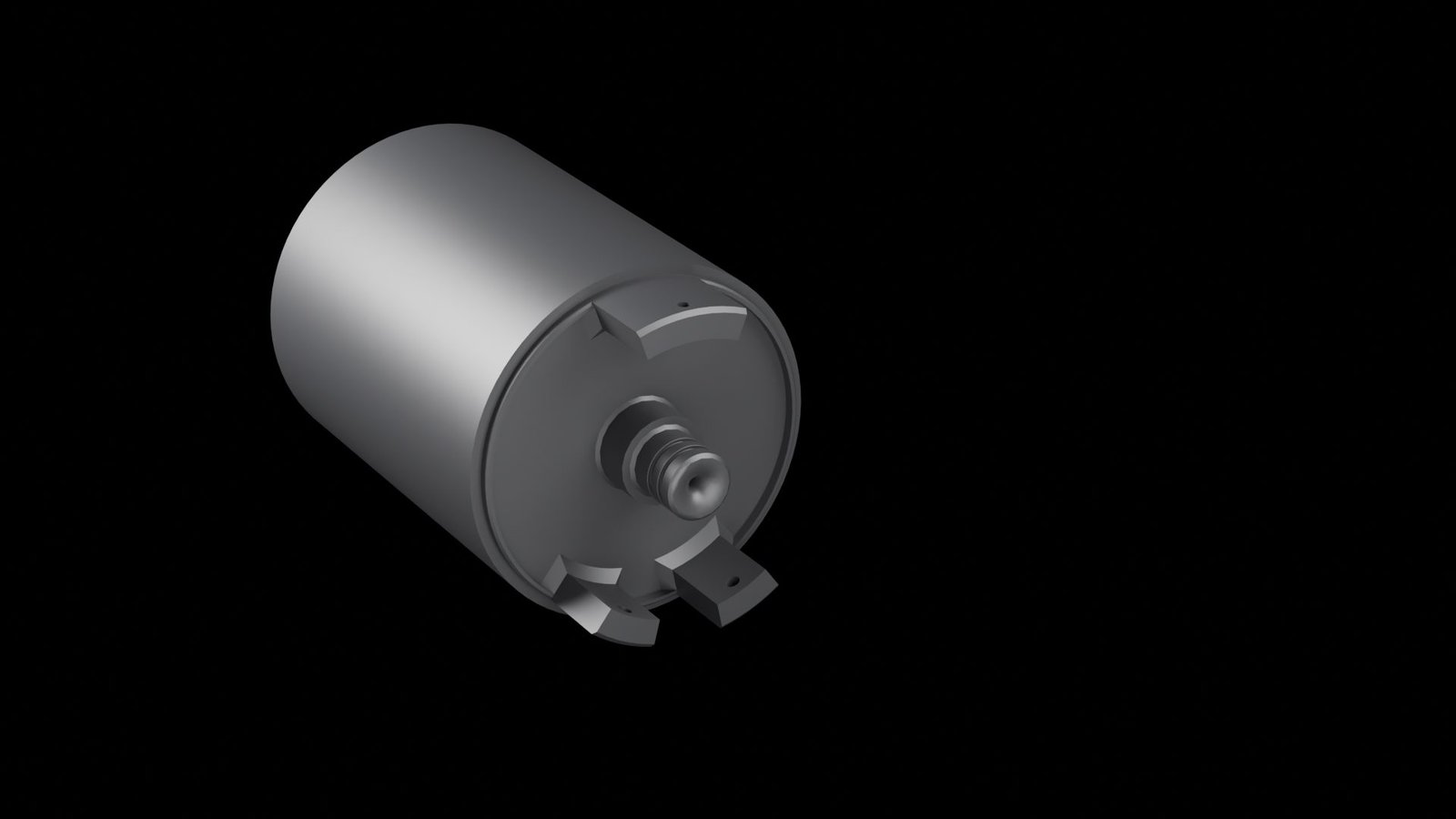 In development
Optical fibre on a spool designed and produced in-house. Cannot be jammed.
 In development
Live video, sonar and drone status on one screen.
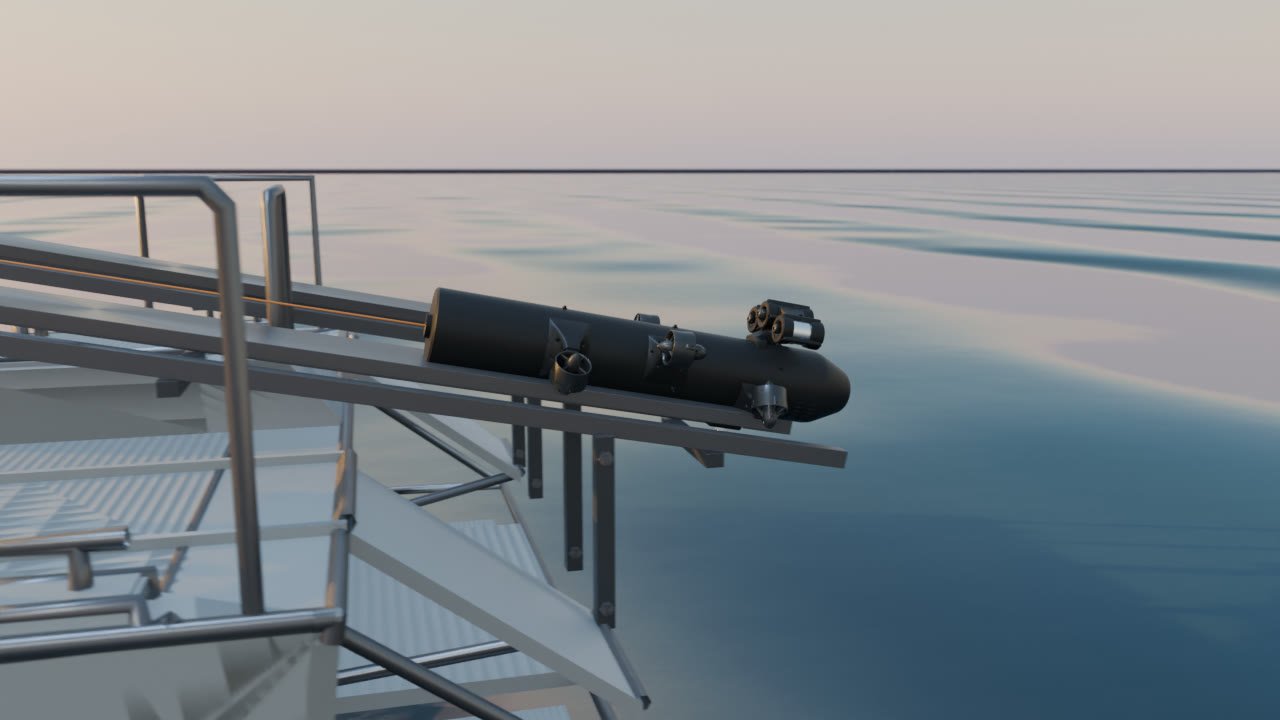 Concept
Racks, containers and tubes, on a crewed or uncrewed boat. Options we are exploring.
From a registered company to a working prototype in the water in about three and a half months. The next steps, in order:
Nordhal Defence ApS registered in Sønderborg, Denmark.
DoneDesigned from scratch, 3D printed and assembled. First full dive with no leaks.
DoneFibre payout, thrusters, camera and sonar tested in the pool.
In progressBuilt close to the final design. The version partners get to see.
PlannedLive demonstrations with system integrators and navies.
PlannedFirst contract, then production aimed at 100+ drones a month.
Planned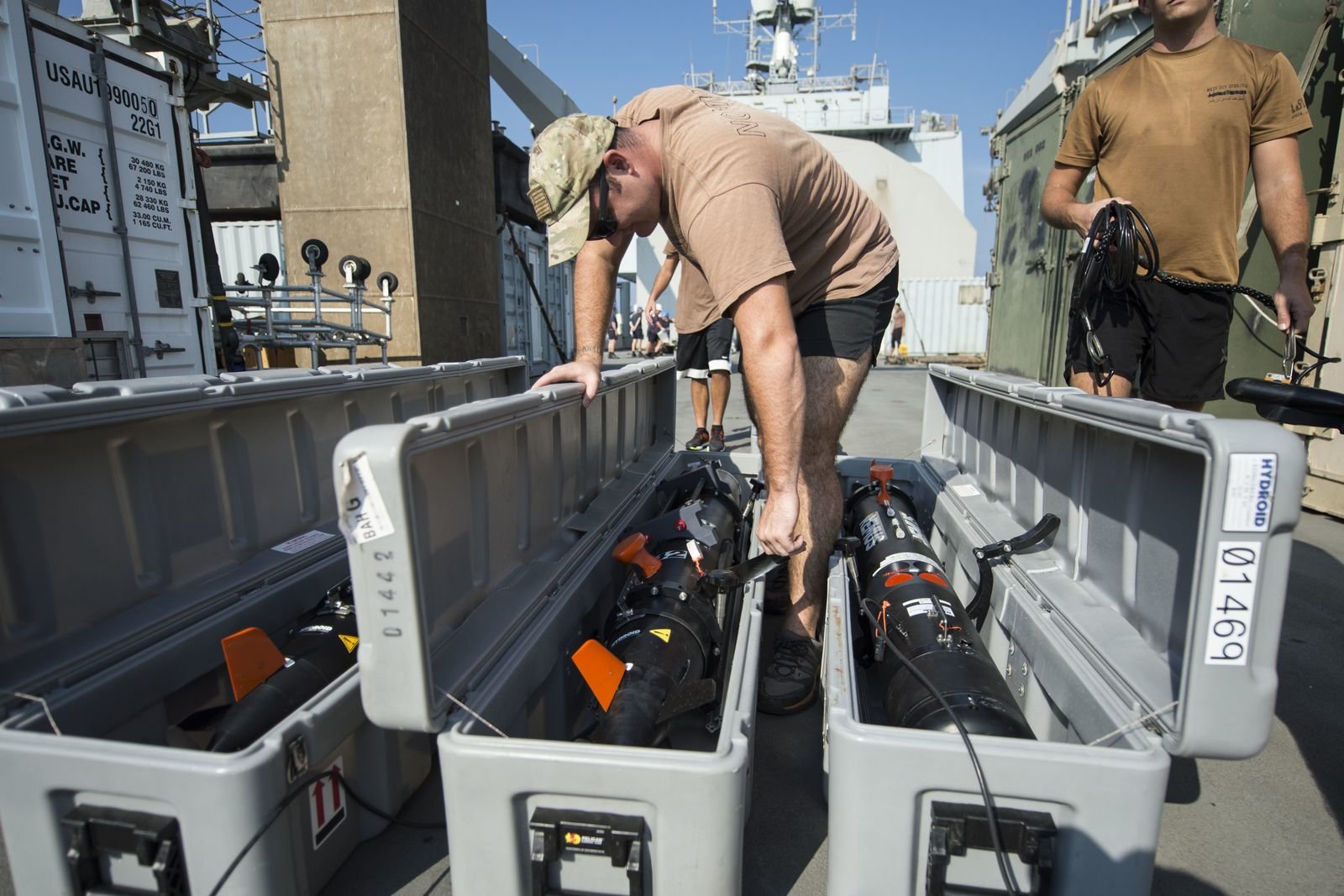
A container gets mine clearance equipment on board. What it takes for almost any ship to carry it without being changed.
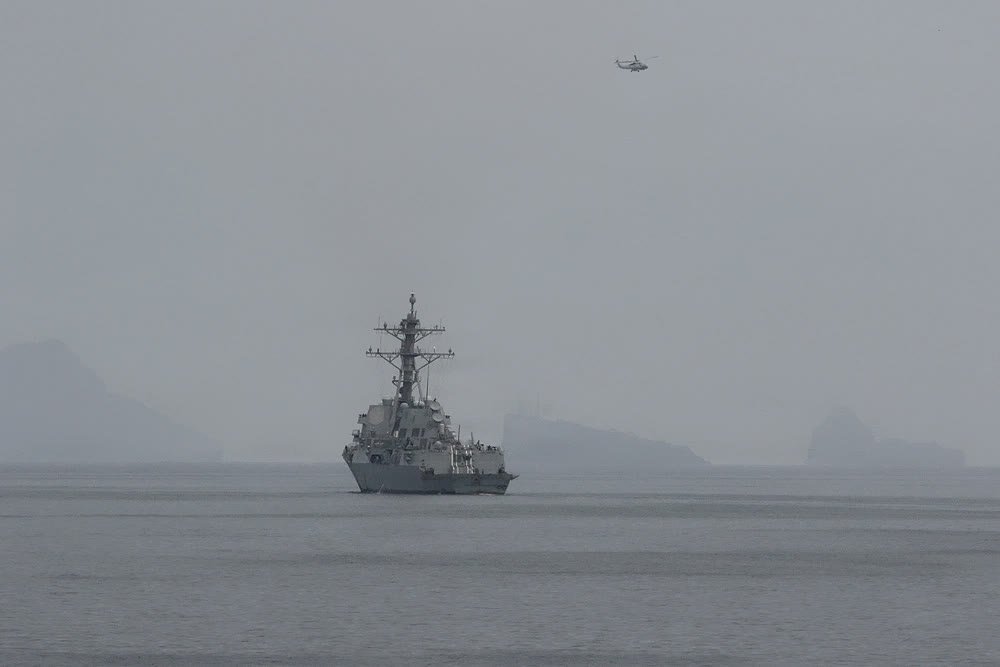
Hormuz, the Red Sea and the Baltic show what happens when clearance cannot keep up.
A drone underwater still has to talk to someone on the surface. There are only a few ways to do that, and most of them fall apart exactly where it matters.
We are looking for system integrators, navies and test partners who want to see the U-1A Legion work.